


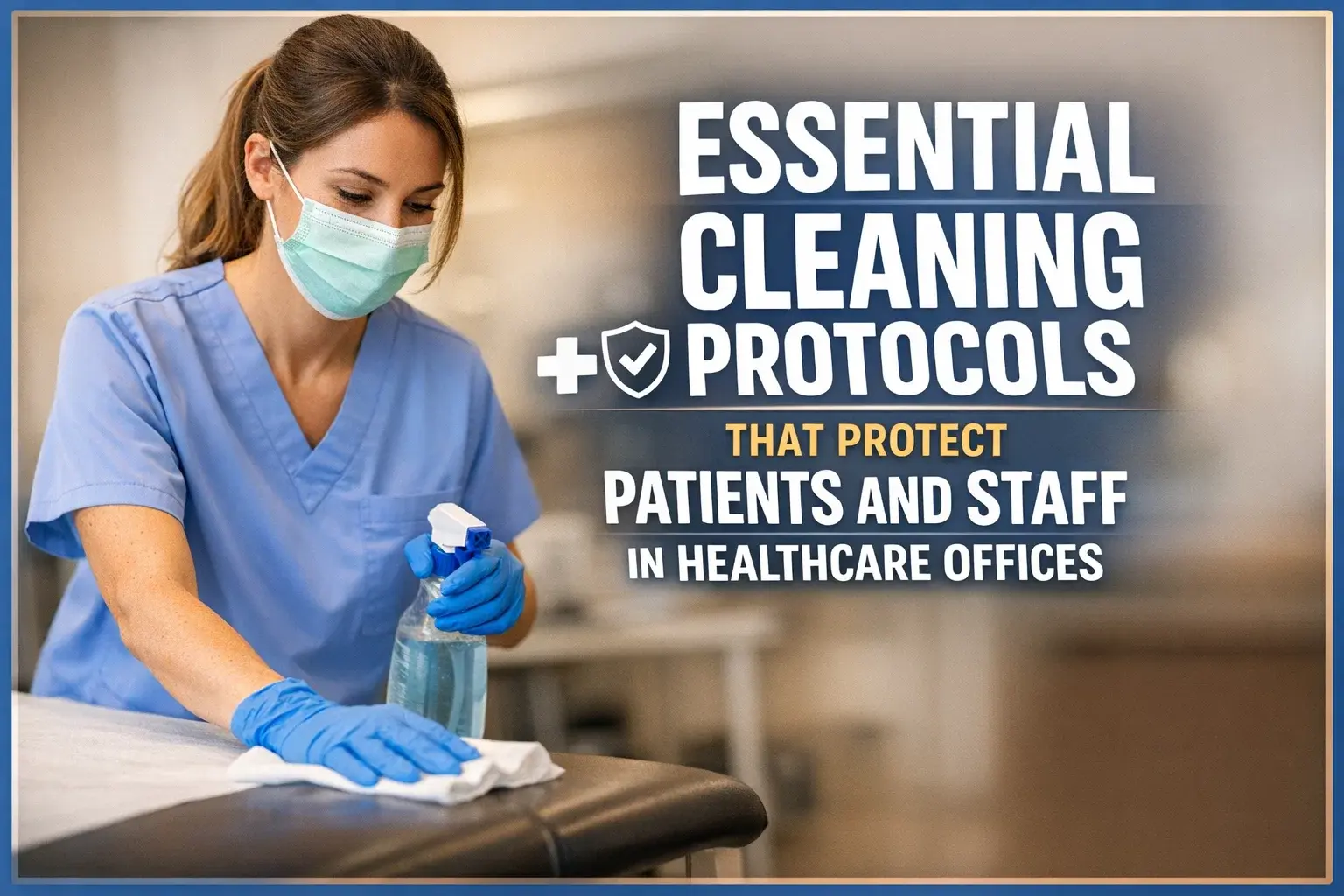
Take the case of going to the doctor, and the waiting room is clean, the floor is shiny without a grain of dust, you are completely secure. That’s not just nice, it’s vital. The standard of cleanliness in the healthcare offices is not a choice; it is essential to patient safety, infection, and remain on the correct side of the medical regulations.
Healthcare sanitation is expensive, but it is essential as it keeps the clinics clean and operational by addressing the problems of germs that are not eliminated by ordinary wiping. The sterilization of a medical office requires more than a quick mop with patients who may have weak immune systems as well as employees working with sensitive equipment on a daily basis. Let’s dive into why this matters and how to get it right.
Why Healthcare Offices Need Specialized Cleaning
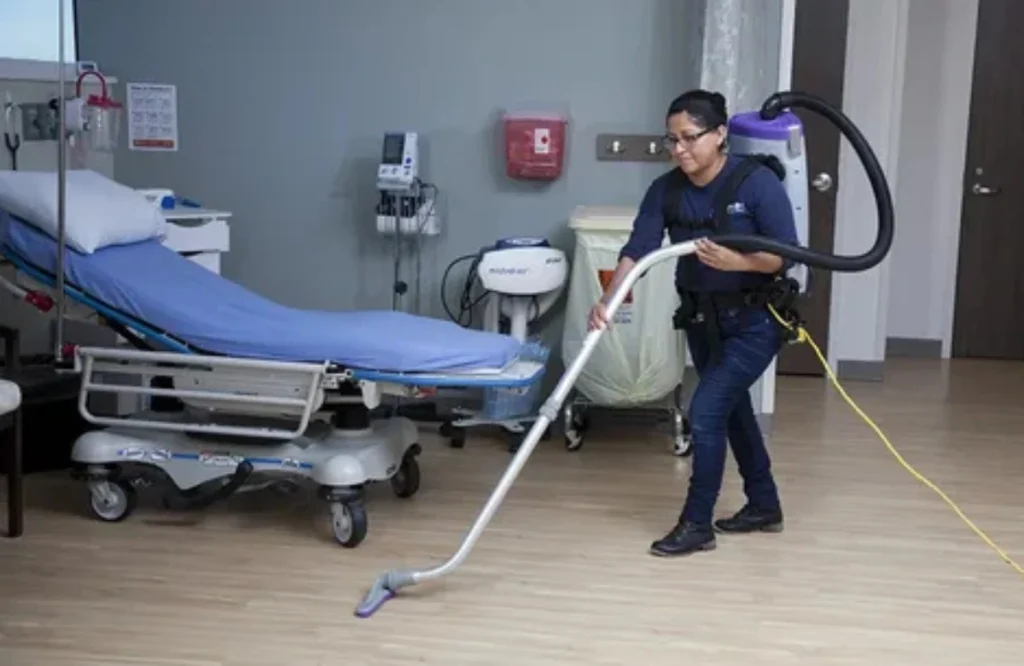
The offices of healthcare are not ordinary businesses. Patients and staff encounter germs and pathogens on a daily basis, imagine flu viruses on doorknobs, or bacteria defying their seats in the waiting rooms. In the absence of special treatment, these spots become breeding centers of disease.
It is where commercial healthcare cleaning is brilliant. It extends to more than the mere tidying to the requirements of the health-safe workplace cleaning. There are no terms of negotiation on rules that should be enforced by OSHA and the CDC; failure to do which will attract penalties, closures, or even worse, ill patients. Appropriate management of the hygiene of medical offices prevents cross-contamination, protects vulnerable groups such as children or the elderly, and develops trust. When your clinic is glittering with lights, families are assured of taking their loved ones there.
What Makes Cleaning in Healthcare Offices Unique
The invisible threats are rapidly accumulated in high-touch surfaces such as exam table, keyboards, and reception counters. Routine offices may employ general cleaners, however, healthcare requires office disinfection policies that eliminate 99.9% of germs.
Also the human factor: A clean environment will relieve stress to all. Professional clinic cleaners are familiar with this world and take care of all aspects of biohazard waste to air quality checks. It is about the establishment of a healthy environment where recovery occurs without additional threat.
Key Cleaning Protocols for Healthcare Offices
And here we start the main part of it, the cleaning guidelines that healthcare offices must adhere to make them safe and efficient. These aren’t random chores, they are well-tested procedures specific to a clinic, based on the CDC guidelines, EPA regulations, and the experience of maintaining medical facilities. I will divide it by frequency and areas of focus and I will give practical examples so that you can visualize how they can be implemented.
Daily Clinic Cleaning: Build the Foundation
Begin with cleaning up the clinic every day, which is the basis of it. Always land on the high-touch surfaces at the start of every evening or at some time of the day in crowded places.
There is a deep wiping of counters, doorknobs, light switches, keyboards, phones with EPA-approved cleaning agents. Why? Hundreds of hands are touched in these spots. As an example, within a pediatric clinic, the sticky fingers of a kid on the check-in keyboard can be infected by viruses within a short time.
Wipe down floors with a hospital grade solution that does not take long to dry so that there is no risk of tripping and dust vents to maintains clean air circulation. Microfiber cloths can be used by pros to pick dust off of the surface and then a disinfectant dwell time of at least 5-10 minutes to ensure the mats kill the maximum number of germs.
Deep Cleaning for Medical Offices: Go Intensive Weekly
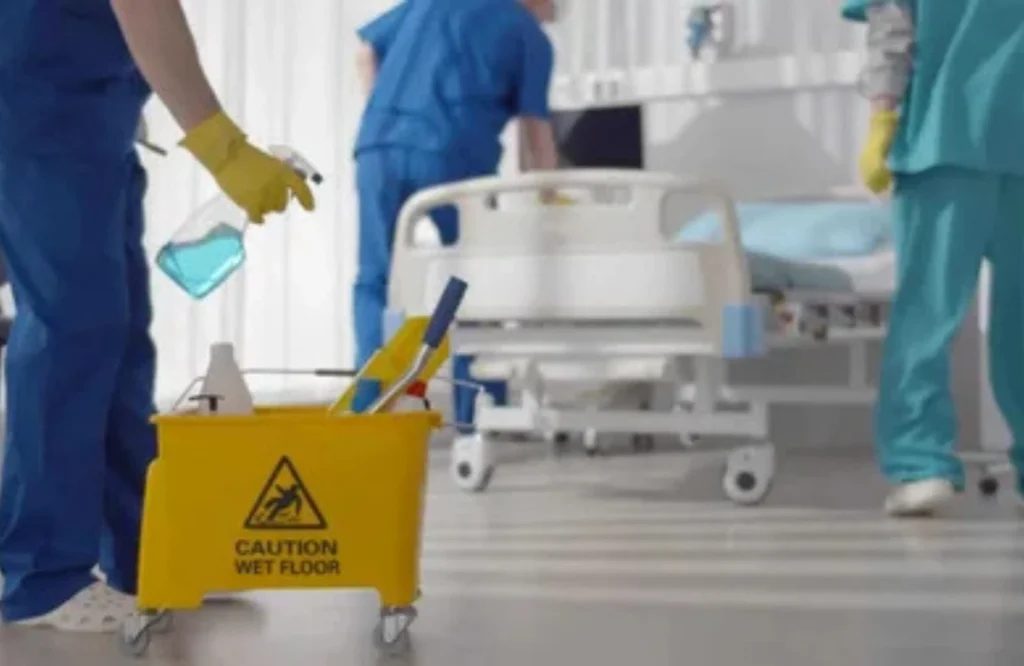
Switch to deep cleaning medical offices, which occurs weekly or bi-weekly based on the traffic.
It is intensive: Clean and strip floors in waiting rooms, patient and exam rooms. Apply a wet vac or auto-scrubber to tile or vinyl, but target the grout lines where the dirt is hiding. Sanitize under tables and baseboards, common areas of pathogenic party in exam rooms, through the use of draw furniture.
Imagine a busy dental practice: Deep cleaning reveals the accumulation of saliva sprays under the chair and this is crucial to prevent the growth of moulds or bacteria. The walls are also spot-cleaned, particularly around sinks where they occur due to splashes. At all times use HEPA-filtered vacuums in order to remove microscopic particles.
Disinfection Protocols for Offices: Kill Germs Effectively
Office disinfection measures cannot be negotiable and are independent of the routine cleaning. Apply EPA List N proved against such virus as COVID-19 or norovirus. Apply either through spray or wiping, allow it to settle as given, and rushing this reduces its efficiency. Wipe off medical appliances such as blood pressure cuff, stethoscope, and otoscope. With wraps, patients are covered by disposable wrap at a general practice, and disinfected completely at the end of the day. This is accelerated with UV light wands or electrostatic sprayers in difficult to reach areas such as behind monitors.
Clinic Janitorial Services: Handle the Grunt Work
The grunt work that keeps the place hygienic can be forgotten and clinic janitorial services can take their place. The right method of waste disposal is monumental, separate normal trash and biohazard such as sharps or soiled gauze in color-coded receptacles. Infectious waste is included in red bags and chemo materials are contained in yellow bags.
Bathrooms require deep cleaning every day: Bleach-based toilet cleaners, refilling paper towels and soaps, and waste of bacteria by checking toilet leaks. This removes odors and slips in a multi-doctor clinic making the patients comfortable.
Medical Facility Maintenance: Ongoing Protection
All of that is connected to Medical facility maintenance with continuous programs. Globally arrange quarterly inspection of HVAC systems to remove airborne disease-causing agents- dirty filters may spread flu bugs. Test for the quality of air moulds, particularly humid rooms. Lighting fixtures and ceiling tiles should be wiped in order to prevent the accumulation of dust, which contributes to allergies. Combine pest management as well; rodents or insects in a healthcare facility are a disaster.
Patient-Safe Cleaning Services: Low-Toxicity Choices
Lastly, give patients low-toxicity cleaning services the first priority. Use no harsh chemicals such as ammonia that cause asthma to sensitive patients. Use green-certified products that kill germs without any fumes which is what comes to mind with hydrogen peroxide-based sprays. This is in a clinic close to schools where parents do not find the lingering smell of bleach as they bring children.
Train employees in protocols: Cross-contamination can be avoided using color-coded equipment (blue in case of restrooms and green in case of patient areas). Record all details, this is effective as logs show adherence to the inspection.
Real-World Example and Implementation Tips
Switching to these protocols, daily high-touch disinfection, weekly deep cleans, and EPA sprays, dropped incidents by 80% in three months. They added electrostatic fogging for waiting rooms, covering every nook in minutes. Costs? Minimal compared to lawsuits or lost patients.
For implementation, layer protocols by risk: High (exam rooms) gets hourly checks; medium (hallways) daily; low (storage) weekly. Customize for your setup, a solo GP office might need lighter daily runs, while a specialty clinic with labs demands hazmat-level waste handling. Always train your team or hire pros versed in infection control.
Tools matter: Battery-powered sprayers for efficiency, ATP meters to test surface cleanliness (they glow under blacklight if dirty). Challenges? Busy schedules.
Solution: Night shifts for deep cleans so daytime well uninterrupted. Budget tight? Start with high-impact areas like waiting rooms, patients notice and review positively. Track ROI via fewer sick days for staff and glowing Google reviews.
These protocols aren’t set-it-and-forget-it; audit monthly. Partner with certified pros for commercial clinic cleaning solutions and office sanitization for clinics.
Benefits of Professional Healthcare Cleaning
Handing cleaning to experts pays off big time. Here’s why:
- Cuts infection risks: Professional healthcare janitorial slashes disease spread by up to 90%, per CDC studies, keeping patients and staff healthier.
- Boosts compliance: Meets OSHA, CDC, and local regs effortlessly, dodging fines.
- Builds trust: A spotless clinic enhances reputation; happy patients refer friends.
- Saves time and money: Pros use efficient tools, freeing staff for care, not mops.
Tips for Choosing the Right Healthcare Cleaning Service
Picking the best match ensures success. Use these strategies:
- Verify healthcare-specific experience, ask for clinic references.
- Check certifications like infection control training and EPA disinfectant use.
- Confirm flexible scheduling, including emergencies like post-flood sanitization.
- Request low-toxicity options for patient-safe cleaning services.
- Get a trial clean to test their commercial healthcare cleaning vibe.
Conclusion
Solid cleaning protocols safeguard patients, staff, and your clinic’s good name while meeting every regulation. From daily wipes to deep disinfection, these steps create a hygienic haven where care thrives.
Ready for a safer space? Hire professional clinic cleaners at Next Gen Cleaning Services today.
FAQ’s
Daily for high-touch areas, weekly deep cleans, and monthly full audits. Adjust based on patient volume for best results.
Waiting rooms, exam tables, restrooms, and doorknobs—prime spots for germ spread.
Yes, by 70-90% with proper disinfection protocols for offices and EPA products.
Look for healthcare experience, certifications, and EPA-approved methods. Read reviews from other clinics.
EPA List N disinfectants with 10-minute dwell times, plus UV tools and electrostatic spraying for full coverage.
Absolutely, patient-safe cleaning services use them to kill germs without harmful fumes or residues.